The House That Still Sent Invoices: A Poem of Witness, Stain, and Walking Out

Some houses ask for rent long after a person leaves. Not money. Obedience. Silence. Apology. Proof.
This poem turns that demand into an invoice. Then it refuses to pay.

The House That Still Sent Invoices
It came as a circle of headlights around a building the maps still named home.
Glass held a warmer room. I was the one outside it, counting the dark like a shift.
Inside, mouths moved over my name as if a name were public furniture.
A stranger sat near the telling and learned me before I arrived.
There was a room that had forgotten its door. Shelves waited for objects that would have to come down the moment a guest was announced.
I unpacked anyway. I set a life against the wall knowing walls in that house were only borrowed.
Water had once been a privilege here.
So I sat in the tub at an hour too honest for apology and said the night was short and wanting was allowed.
Someone asked for a confession. I offered a seat instead.
Later, in the listening room, a cup of what should have been kindness was lifted like a verdict.
White. Domestic. Ordinary as breakfast.
It found my face.
The furniture kept its manners.
No one moved.
The second pour was the same religion.
I did not wipe the altar. I named the stain.
I told the room the couch would keep what the house had chosen to spend.
There was a page I had already written in a quieter country. When it opened, the telling thinned.
Some stories shrink when the record enters the den.
I stood, still wet, and loved the one who spoke too freely without making that love a mop.
Then I heard my own voice, tired of decorating a place that would not keep my things:
I do not know why I am in this house.
I will not put the shelves back up.
I will not wring the cloth.
The invoice can stay unpaid.
If you pass that window at a late hour, you may see a light that is only circling.
It is not a return. It is a last look from a person who finally declined the bill.
The house is not only a house
The title sets the terms. A house sends invoices. That means the house acts like a collector. It keeps accounts. It believes something is owed.
The poem does not begin with comfort. It begins with headlights.
“It came as a circle of headlights around a building the maps still named home.”
That line does a lot of work. The maps call the place home. The speaker does not. A map can name a building. It cannot confirm belonging.
This matters because many people inherit names for places that no longer fit. Childhood home. Family home. The old place. The place where everyone gathers. Those names can hide the real cost of returning.
The house in the poem still claims authority. It has windows, rooms, shelves, a tub, a couch. These are ordinary objects. That makes the poem sharper. Harm does not need a dramatic setting. It can happen in a room with furniture that “kept its manners.”
The invoice is emotional. It asks the speaker to pay in small acts:
Come inside.
Stay polite.
Let others speak first.
Accept the old version of the story.
Clean up what someone else spilled.
Put the room back the way it was.
Leave no mark.
The speaker refuses each demand, one by one.
That refusal gives the poem its force.
The first wound is being spoken about before arrival
Before the speaker enters, other people have already started the story.
“Inside, mouths moved over my name as if a name were public furniture.”
This is one of the strongest images in the poem. A name becomes furniture. It can be handled. Used. Moved around. Left in the room for anyone.
The speaker has not arrived, but the room is already consuming them. A stranger has heard the version that came first.
“A stranger sat near the telling and learned me before I arrived.”
That is a clean description of a common harm. Someone tells the story of a person before that person can speak. The listener receives a finished version. By the time the person enters, they must argue with a ghost.
The poem does not waste time explaining who the stranger is. It does not need to. The damage is clear. Privacy has been broken. The speaker’s name has been treated as shared property.
This is one of the invoices: defend yourself against a story you did not authorize.
The poem refuses to pay that bill by shifting control back to the speaker’s voice. Later, when “a page” appears, the room loses power. The record enters. The loose telling weakens.
That movement matters. The poem begins with others speaking over the speaker. It ends with the speaker naming the terms.
The borrowed room shows the cost of conditional belonging
The room “had forgotten its door.” That line feels strange because rooms are built around doors. A room without a remembered door is a trapped space. It holds the speaker, but it offers no real entry.
Then come the shelves.
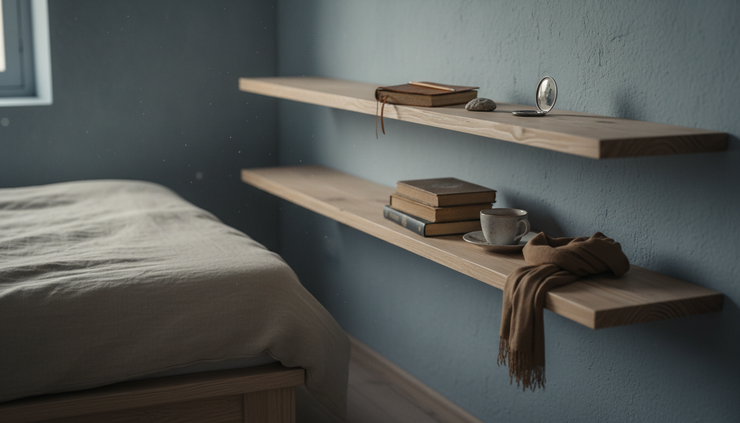
“Shelves waited for objects that would have to come down the moment a guest was announced.”
This is a brutal image of conditional belonging. The speaker can unpack, but only until someone else arrives. Their objects can exist, but only when not visible to guests. Their life can rest against the wall, but not become part of the house.
The speaker knows this.
“I unpacked anyway. I set a life against the wall knowing walls in that house were only borrowed.”
That “anyway” is important. It is not naive. The speaker is not fooled. They know the walls are borrowed. They know the shelves are temporary. They still place a life there.
This makes the poem more painful. It is not about someone who never tried. It is about someone who tried while knowing the terms were unfair.
A borrowed wall can hold a picture. It cannot promise safety.
The tub becomes a place of permission
The poem then moves to water.
“Water had once been a privilege here.”
That line carries history. It tells us the house controlled basic comfort. A bath was not only a bath. It was access. It was permission. It was a measure of who could take up space.
The speaker sits in the tub at “an hour too honest for apology.” That phrase changes the tone. It declares a private truth. There is no performance left. No smoothing. No polite explanation.
“and said the night was short and wanting was allowed.”
This is not a grand speech. It is more useful than that. It is a small statement of human need. The speaker wants something. Rest. Warmth. Space. Pleasure. Relief. A body that belongs to itself.
That is enough.
The poem treats wanting as an act of recovery. In a house that turns comfort into a privilege, wanting becomes a line in the sand.
Then someone asks for confession.
“Someone asked for a confession. I offered a seat instead.”
This response is calm. It does not accept the charge. It does not perform guilt. It also does not run. Offering a seat changes the power in the room. If there is going to be truth, others can sit down and face it.
A confession requires the speaker to accept blame. A seat asks everyone to stay present.
The poem chooses the seat.
The cup is ordinary, and that is the point
The central image arrives without warning.
“Later, in the listening room, a cup of what should have been kindness was lifted like a verdict.”
A cup should belong to care. It should offer warmth. It should say, here, drink this. In the poem, the cup turns into judgment.
Then the liquid hits the face.
“White. Domestic. Ordinary as breakfast. It found my face.”
The word “white” lands hard. It names color, substance, and surface. It also carries the chill of domestic violence without turning the moment into a spectacle. The poem keeps the image contained. That makes it worse.
The room fails.
“The furniture kept its manners. No one moved.”
This is one of the most damning parts of the poem. The furniture has manners. The people do not act. The couch, shelves, and room become witnesses. The silence becomes part of the harm.
No one moving is not neutral. It is a choice.
Then it happens again.
“The second pour was the same religion.”
That line names repetition. It also names belief. The act is not random. It comes from a system inside the house. The house has rules. The rules protect the person who pours. The rules expect the speaker to clean the stain.
The speaker refuses.
“I did not wipe the altar. I named the stain.”
This is the poem’s turn.
An altar is a sacred place. By calling the couch an altar, the poem exposes the house’s false religion. The house worships order. Appearance. Furniture. A version of peace that requires the harmed person to erase evidence.
The speaker will not erase it.
“I named the stain” is the act of record. It says the mark matters. It says the room must keep what happened. It says the cost belongs where the act occurred.
The couch will keep “what the house had chosen to spend.”
That line is exact. The house spent something. It spent care. It spent trust. It spent the speaker’s attachment. It spent the fiction that this was home.

The written page changes the room
The poem then brings in a page.
“There was a page I had already written in a quieter country.”
This page matters because it exists outside the house. It was written elsewhere. It comes from a place not ruled by the room’s pressure. The “quieter country” may be literal or emotional. It may be a place of distance. It may be a state of mind where the speaker can think without being watched.
When the page opens, “the telling thinned.”
That is one of the cleanest descriptions of how truth can alter a room. Not all stories survive contact with a record. Some depend on fog. Some need speed, heat, and interruption. Some need the target to be too tired to answer.
A written page slows the room down.
“Some stories shrink when the record enters the den.”
The den is important. It is another domestic space. The poem does not move to a courtroom or a public stage. It keeps everything inside the house. The record enters the same place where the loose story had power.
The poem does not say the record fixes everything. It says the telling thins. Some stories shrink. That is enough.
The speaker’s body is still present.
“I stood, still wet, and loved the one who spoke too freely without making that love a mop.”
This may be the most mature line in the poem. Love remains, but it does not become cleanup.
Many poems about leaving turn love into a thing that must vanish before a person can go. This poem does not do that. The speaker can love someone and still refuse the job of repair. They can hold affection without taking responsibility for the spill.
That distinction is vital.
Love is not a mop.
The speaker stops decorating a place that will not keep them
Near the end, the poem becomes direct.
“Then I heard my own voice, tired of decorating a place that would not keep my things:”
This is the emotional center. The speaker hears their own voice. Not the mouth moving over their name. Not the house. Not the stranger. Not the person demanding confession. Their own voice.
The phrase “decorating a place” is precise. Decorating is labor. It makes a space warm. It adds taste, care, memory, and beauty. It can also hide damage.
The house will not keep the speaker’s things. So why keep decorating it?
The speaker says:
“I do not know why I am in this house. I will not put the shelves back up. I will not wring the cloth. The invoice can stay unpaid.”
These lines refuse the whole system.
Not putting the shelves back up means the speaker will not restore the false room. Not wringing the cloth means they will not reduce the evidence to something manageable. Leaving the invoice unpaid means they reject the debt.
This is why the title, The House That Still Sent Invoices, works. The house sends the charge. The speaker declines it. The bill is not valid.
The poem does not need the speaker to slam a door. The move is quieter. Stronger.
They stop doing the work.
The last look is not a return
The final image returns to the window and the light.
“If you pass that window at a late hour, you may see a light that is only circling.”
That line could be mistaken for longing. The poem corrects it at once.
“It is not a return. It is a last look”
This distinction matters. A last look is not the same as going back. People often look back before leaving fully. They take stock. They measure the distance. They confirm what they know.
The circling light recalls the headlights at the beginning. The poem closes the ring. At first, the speaker arrives outside the house, looking at the warmer room through glass. By the end, the light circles as a final act of witness.
Then comes the last phrase:
“from a person who finally declined the bill.”
The ending does not ask for permission. It does not plead. It does not over-explain. The person declines the bill.
That word “declined” is controlled. It does not say destroyed. It does not say fought. It does not say begged. It says declined, as one might decline a charge that should never have been sent.
That calmness is part of the power.

Why the poem works
The poem works because it keeps its images plain. House. Glass. Shelves. Tub. Cup. Couch. Page. Window. Cloth. Bill.
Nothing feels ornamental for its own sake. Every object carries pressure.
The house stands for a system of belonging that demands payment but gives no safety. The shelves stand for conditional space. The tub stands for bodily permission. The cup stands for false care turned into punishment. The stain stands for proof. The page stands for record. The unpaid invoice stands for refusal.
The poem also avoids easy release. It does not pretend leaving is simple. It allows love to remain. It allows the speaker to look back. It allows the house to still exist.
But it does not confuse memory with obligation.
That is the main lesson. A place can have history and still lose its claim. A room can hold old warmth and still become unlivable. A person can love someone inside that house and still stop cleaning up after it.
The strongest line may be the quietest one:
“I do not know why I am in this house.”
That sentence breaks the spell. Once spoken, the house has to answer. It cannot. So the speaker leaves the invoice unpaid.
The takeaway is simple. Not every bill deserves payment. Some are only old demands wearing the costume of home.


I loved it, Eric.